

If light keeps hurting your eyes for more than a few days, or if it comes with pain, redness or blurry vision, you should get it checked by an eye doctor. Mild glare in harsh sunlight is normal, but light that bothers you all the time is not.
Many people put this issue off for weeks because they think it is just tiredness from work. Sometimes it is, and sometimes it isn't. That is why a check-up helps.
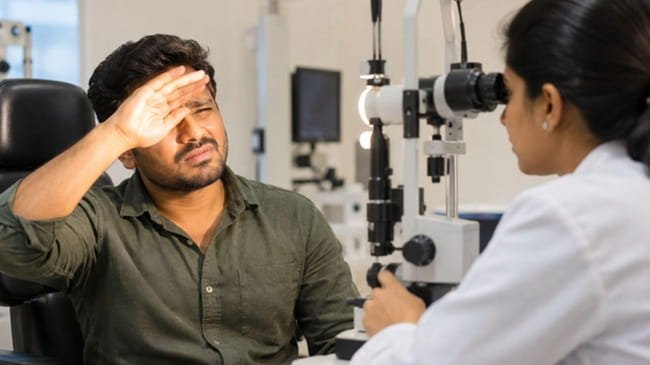
Doctors call it photophobia. In simple words, ordinary light feels too strong for your eyes.
You might find yourself squinting at the tube light at home or turning your phone brightness all the way down. Some people reach for sunglasses even when the sky is cloudy. It can happen in one eye or in both. Many people only mention it to an eye doctor when it starts getting in the way of work.
Sometimes, things around you every day can make light sensitivity worse. Across India, strong summer sunlight, dust on the roads and long hours in air-conditioned rooms can all leave the eyes feeling irritated.
Late nights on the phone can add to the strain. These triggers can make an existing eye problem feel worse. If the discomfort does not ease after you cut down on them, it is worth asking an eye doctor why.
There is no single reason. Light sensitivity is usually a symptom, and the cause can lie in the eye or elsewhere in the body.
You can't tell which one it is by looking in the mirror. An eye doctor can.
Don't wait too long to see an eye doctor if the problem keeps coming back.
It is a sensible idea to book a visit if:
Some signs mean you need to see a doctor right away, not just wait for a regular appointment.
If you have sudden, strong eye pain or a quick drop in vision, go to an ophthalmologist or the nearest hospital right away. The same applies if light sensitivity comes with fever and a stiff neck or after any eye injury. Getting help early lets the doctor act quickly.
Children don't always explain what they feel, so parents need to watch for small signs.
A child may rub their eyes often, keep their head down in bright rooms or refuse to go out in the sun.
They may also complain of headaches after school. If you notice these signs, take your child to an eye doctor instead of waiting for them to outgrow them. In some cases, an ophthalmologist may suggest a more detailed check of the eyes.
Honestly, the visit is basic. The eye doctor will test how well you see and look closely at the front of your eye under a lit microscope. Drops may be used to widen your pupils so the back of the eye can be seen. You will also be asked about headaches, screen time and any medicines you take. If something needs a closer look, the ophthalmologist may ask for more tests.
A few small changes can make the wait easier.
Try not to buy eye drops from the chemist on your own, though. Ask your eye doctor first, because the wrong drops can sometimes make things worse.
Light sensitivity that keeps hanging around is your eyes telling you something. Often, the cause can be found with a simple check, and treating it early can make daily life far more comfortable. Keep a note of when the discomfort starts and what seems to trigger it. Then share those details with your eye doctor or ophthalmologist at your visit. It is a small step that can lead to clear answers.