

Most people who have a glasses prescription think about one thing: how thick the lenses are. Few think about the retina, the thin layer at the back of the eye that actually captures what you see. In myopia, that layer is under more stress than most people understand and problems can start without any pain or any warning.
A check-up at a retina hospital is the way to know how the back of the eye is doing even when the vision with glasses feels perfectly fine. This article explains the risks, in words the signs to watch for and what can be done about them.
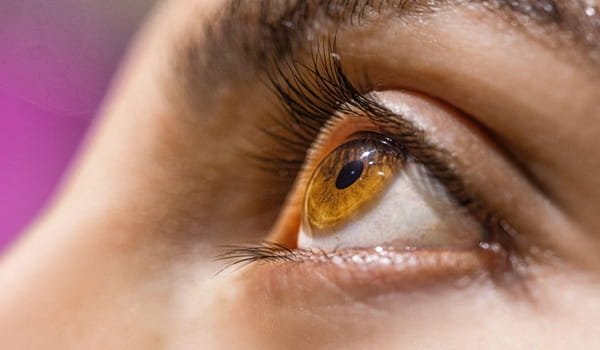
Myopia, also called sightedness makes far objects appear blurry. Doctors name it myopia when the prescription is about -6.00 diopters or more or when the eyeball is longer than about 26 millimetres from front to back. A typical adult eye is 23 to 24 millimetres long. That extra length is the cause.
When the eye is longer lands in front of the retina rather than on it which explains why strong minus glasses are required. When the stretching begins to hurt eye structures doctors say it is myopia. Not all people with myopia reach that point but every person with high myopia faces a greater risk than someone, with a milder prescription.
Think of the retina as wallpaper inside a balloon. As the balloon grows, the wallpaper. Becomes thinner. In an eye the retina is pulled tight especially at the edges and at the centre called the macula, which handles sharp detailed vision.
The layers below the retina and the white outer wall of the eye also get thin. Thin tissues tear easily and get less nourishment. On top of that the jelly, inside the eye called the vitreous breaks down sooner in eyes. When the vitreous pulls away it can tug on a retina. That tug starts problems.
These are the conditions doctors look for most often in people with a strong prescription.
Lattice degeneration is a part of the retina that's thin usually close, to the edge. When a doctor looks at it it appears like a crisscross pattern. You cannot see it. Feel it. Most of these areas do not cause any problems. However a thin area can sometimes develop a hole or a tear if the vitreous pulls on it. Not every case of lattice degeneration needs treatment. Your doctor makes the decision based on the shape of the area your symptoms and your family history.
If fluid gets through a tear it can push the retina away, from the back of the eye. This is called a detachment and it is a very serious problem. The part that's detached stops working and the longer it stays detached the less vision might return. Eyes that are very short-sighted have a chance of this happening compared to normal eyes and the more short-sighted the eye is, the higher the chance becomes.
When the macula thins and stretches the central vision suffers.A blur may appear right where you are looking or straight lines such as door frames may look bent.Some people also develop blood vessels under the macula that leak and scar the area.This condition requires treatment usually with injections, into the eye.
Hello myopia also increases the chance of glaucoma, which harms the optic nerve over time and without any pain and of cataracts happening sooner, than normal. Both conditions are found during visits, which is another reason to continue with them.
Floaters by themselves are common and usually not a cause for concern. What matters is a change like a sudden increase in floaters or floaters that come with flashes of light. To check cover one eye at a time. The healthy eye might hide the problem if you don’t do this.
If you notice any of these signs see an eye doctor the day. Don’t wait to see if it goes away. A tear found early can often be fixed with a laser during a visit, in the clinic.
A normal eye test for glasses is not enough. You need an eye exam, where eye drops widen the pupil and allow the doctor to see the entire retina, even the far edges where most tears start.
Your doctor may also perform an OCT scan, an painless test that shows the retina in layers and helps find early changes in the macula. Most people with myopia should get a dilated eye exam, at least once each year.
Your doctor may recommend an interval based on what they find. Go sooner if you notice any of the symptoms mentioned above. It is also wise to have your retina checked before laser vision correction or any eye surgery and to tell your doctor if you have ever had an eye injury.
You cannot undo the stretching, but you can lower the chance of serious damage.
High myopia is more than a problem, with glasses. The retina stretches thin. Much of the damage stays quiet until high myopia becomes severe. The good news is that thin spots and small tears found early are often treated with a laser and even a detachment can be repaired if high myopia is addressed quickly. When a tear or detachment has progressed further retina surgery is often what protects the remaining vision that high myopia has left. So book an exam and never brush off a sudden flash or shadow.