

Many girls and women grow up hearing that painful periods are just part of life. Mild cramping often is. Pain that keeps you in bed, forces you to miss work or school or no longer responds to painkillers is a different matter. Sorting out which kind of pain you have can be hard. The answer matters. An endometriosis specialist can tell whether period pain is routine or a sign of an underlying condition that needs treatment.
This guide explains how normal period pain differs from endometriosis pain. It tells you which symptoms deserve attention for period pain and when to book an appointment for endometriosis pain.
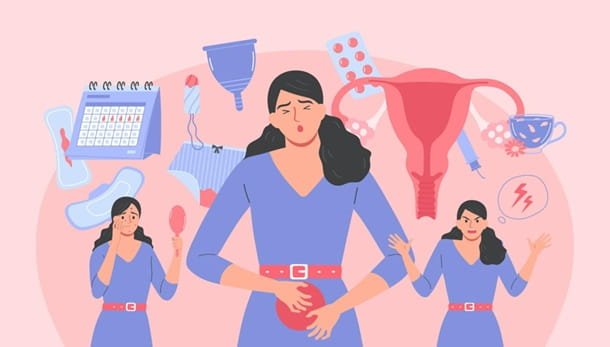
Period pain comes from the womb squeezing. Little substances in the body, known as prostaglandins, set off these squeezes. The usual signs are:
I have learned that doctors usually agree on one thing: feeling discomfort during periods can be normal,. Pain that stops you from working or doing everyday tasks or pain that requires strong ibuprofen for the whole period, is not normal.
Endometriosis is a condition where tissue that looks like the endometrium, which's normally inside the uterus, grows outside the uterus. This can lead to inflammation and the formation of tissue. Its pain often follows a different pattern from ordinary cramps:
How bad it feels is not a way to tell. Painful periods, even the awful kind, do not always mean you have endometriosis.. Some women who have a severe case of the disease might feel only a small amount of pain. That is why a doctor needs to check your symptoms of you trying to guess.
Endometriosis is not only about periods. Other symptoms that appear in medical guidance include:
If several of these appear together with painful periods, the pattern matters more than any single symptom.
Endometriosis is not a condition. The World Health Organization says it affects 10% of women of reproductive age around the world. That adds up to about 190 million women. It also has a connection to fertility. Among women who struggle with infertility, many as 25 to 50 percent may have endometriosis.
Despite this, getting a diagnosis takes a time. It usually takes from four to twelve years on average. Many things play a role in this delay:
Medical bodies such as the Canberra Endometriosis Centre list the following as reasons to talk to a doctor:
A rule of thumb: pain that interferes with your daily life is not normal and pain should not be written off as just a bad period. I think these signs do not prove that you have endometriosis,. They do mean that your doctor should be aware.
A gynecologist is usually the stop. For cases, some doctors specialise in pelvic pain and endometriosis and women who have trouble getting pregnant may be referred to a fertility specialist. If you have been told times that pain is normal, one health system tells you to keep pushing until you find a gynecologist who takes pain seriously.
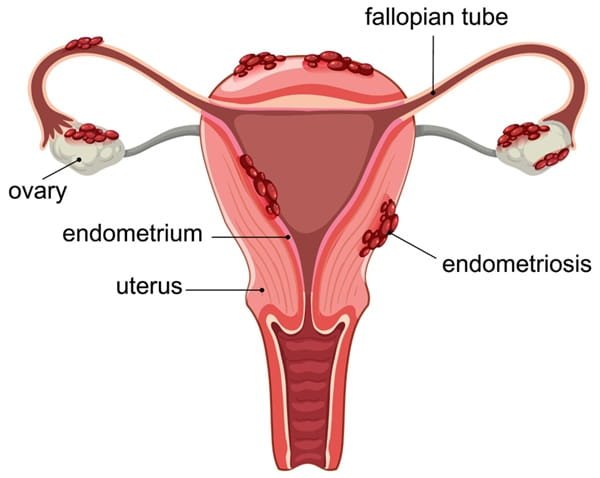
Diagnosis begins with a conversation, not a surgery. A careful menstrual history that covers pain, heaviness of bleeding and related symptoms can help a doctor. Then a clinical diagnosis can be made from these symptoms and from imaging such as ultrasound or MRI. Thus, surgery is not always needed before treatment starts.
Laparoscopy, a keyhole procedure, is still used in some cases. A thin lighted tube is placed through an abdominal incision so the doctor can see the pelvic organs and take a small tissue sample for biopsy. One US health system notes it is the definitive way to confirm endometriosis and the doctor can often remove the tissue during the same surgery. The WHO also notes that laparoscopy is inaccessible to women.
There is currently no cure, but symptoms can be treated with medicines or, in some women, surgery. Options include:
Early care matters. The WHO says awareness, early diagnosis and quality health care may slow or halt progression and reduce long-term symptoms.
I have seen how period pain can vary a lot. In cases, period pain is not dangerous. The real concern is the impact of period pain: when period pain disrupts life, gets worse over time, spreads beyond the pelvis or comes with symptoms, it deserves a proper evaluation.
In parts of the world, people wait four to twelve years before getting a diagnosis, so speaking up early is one of the most useful things a person can do. When symptoms point towards endometriosis, talking to an endometriosis surgeon can help a person understand options, from medication to surgical care and decide on a plan that fits health and goals.